![]() |
Expert Tips on Sizing Watercolor PaperThe internal sizing is mixed in with the paper pulp and controls the absorbency rate of the watercolor. Without sizing, the paper would act like a blotting paper. External sizing is added to the surface of the paper so that the color can be lifted or removed from the paper more easily. The Stephen Quiller Watercolor Paper by Jack Richeson lifts as well as any paper I have used! Keep in mind there are so many factors that affect the lifting process.
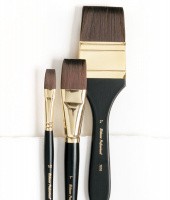
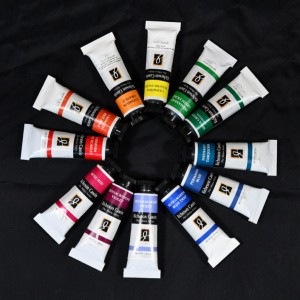
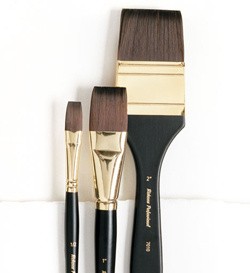
The Technique of Lifting Watercolor from the PaperThere are many things to consider when lifting paint from the paper. First, it is most important to choose a paper that has an external sizing. All watercolor papers have an internal sizing, but papers with external sizing allows the paint to come off more easily. However, this sizing is not a magic cure-all. I like the lifting process because it allows me to create a variety of visual qualities. I can leave hard edges or soften edges easily. I can put down a large dark wash of color to lift and put in light areas. This gives me more ways to put down the paint and a variety of ways that the paint can be seen. Second, the paint lifts much better when moist rather than dry. Thus, the more areas that can be lifted while the initial wash is still damp, the better. If you are painting in an area with high humidity such as the Oregon coast rather than a dry area such as the Colorado mountains, you have much more time to lift. Most important, the selection of colors that are used makes the greatest difference. For instance, colors such as a true viridian green, cobalt violet, manganese blue, and Naples yellow lift very easily. The pigmented colors such as burnt sienna, ultramarine blue, and the cadmiums lift pretty well. However, the staining synthetic colors, such as the phthalocyanine green and blue or the quinacridone reds and violets actually stain the paper and will not lift well. Further, a more synthetic watermedia brush, such as the Richeson #7000 series, is a bit more durable and stiffer fiber, which will help remove paint. The pure sable brushes are too soft and also too valuable to use for this effort. My recommendation is to get some good paper and practice putting paint down and lifting it back. Use some staining colors and some pigmented colors and notice the difference. I even have a chart of all the colors that I use, a patch of each and let them dry. Then I use a damp synthetic bristle one inch flat brush and with clear water lift the color. Try lifting some of the same colors while they are a bit damp. With a little practice you will get the hang of it and it will add to your vocabulary as an artist. SQ |
|||||||||||||||||||||||||||||||||||||||||||||||||||||||||||||||||||||||||||||||||||||||||||||||||||||||||||
|
©2004-2008 Quiller Gallery. All Rights Reserved. Legal Notice. Web site by Wagnon Webscapes, Creede, Colorado |